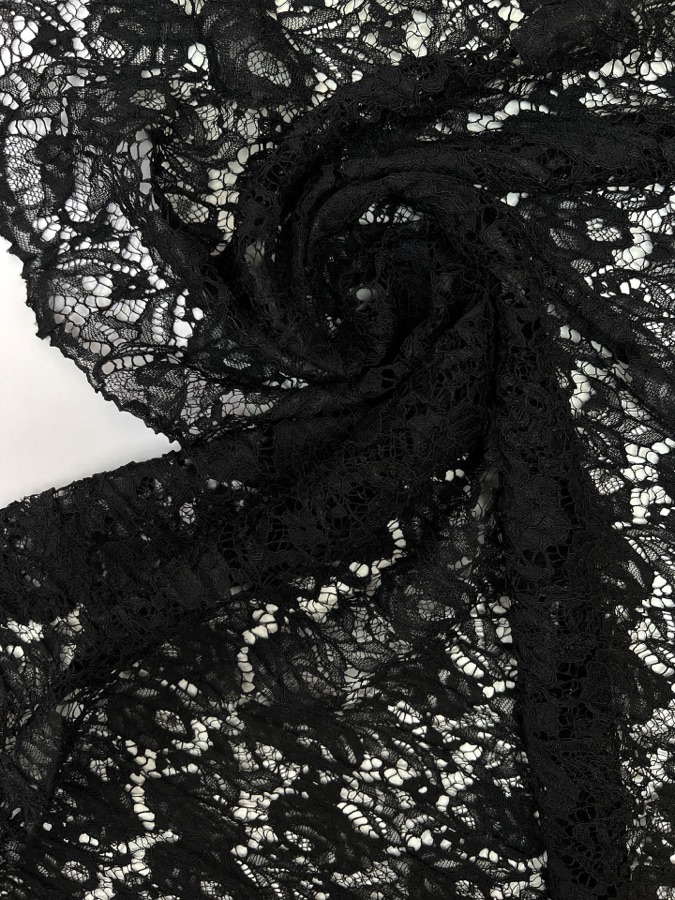
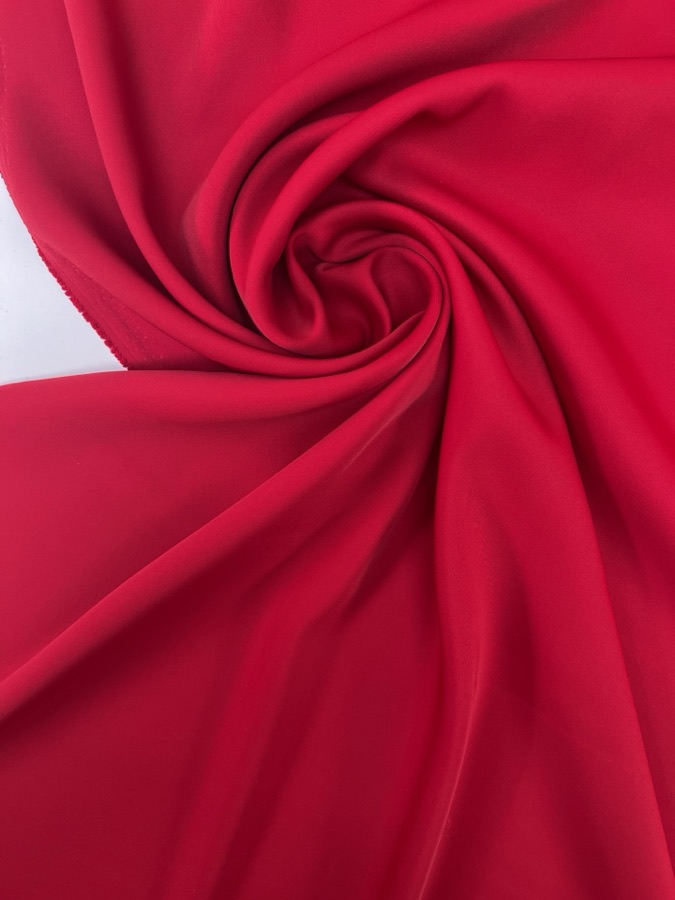
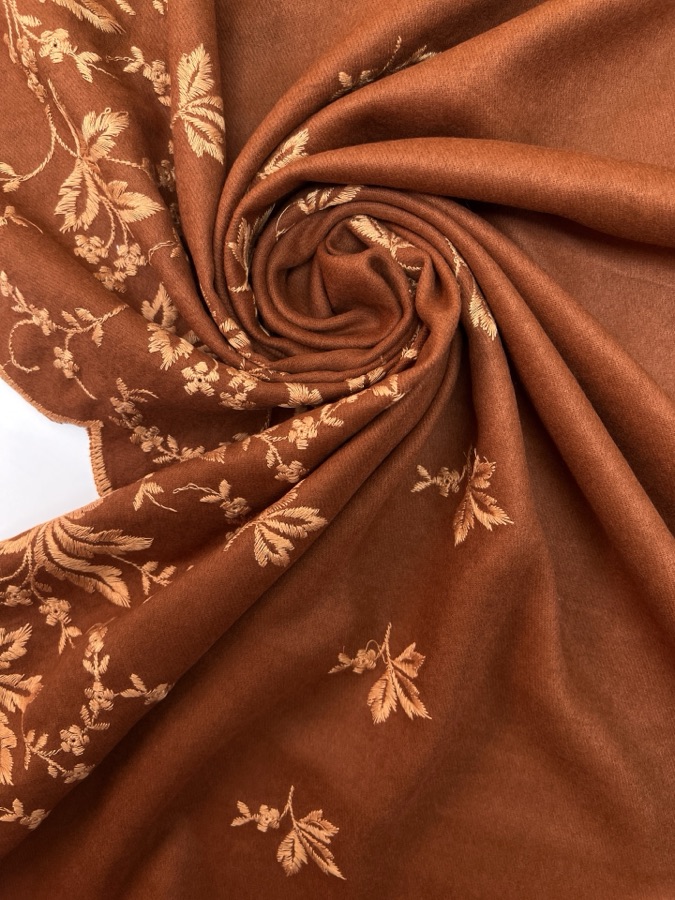
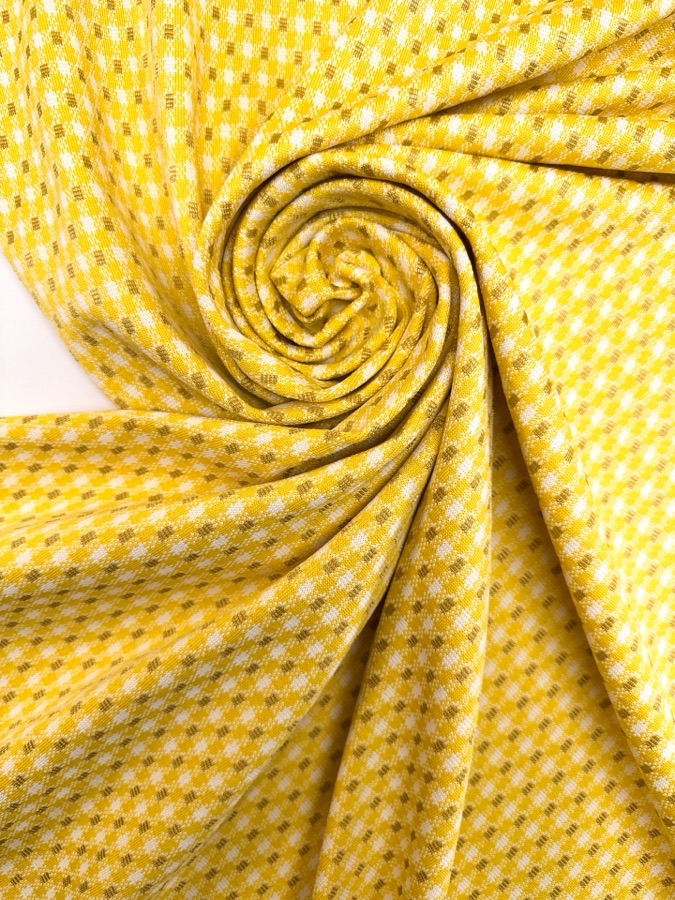
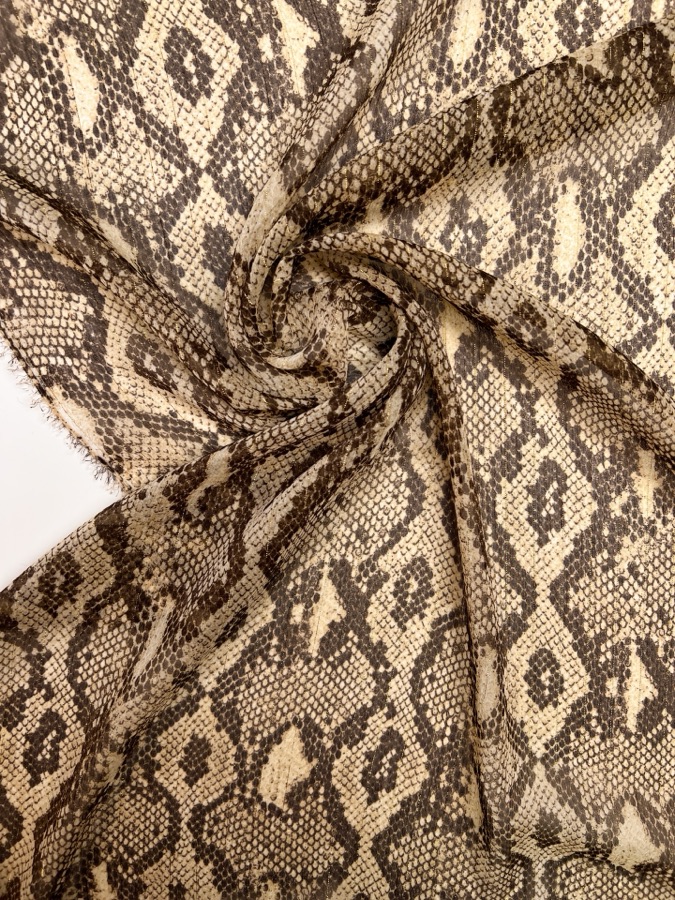
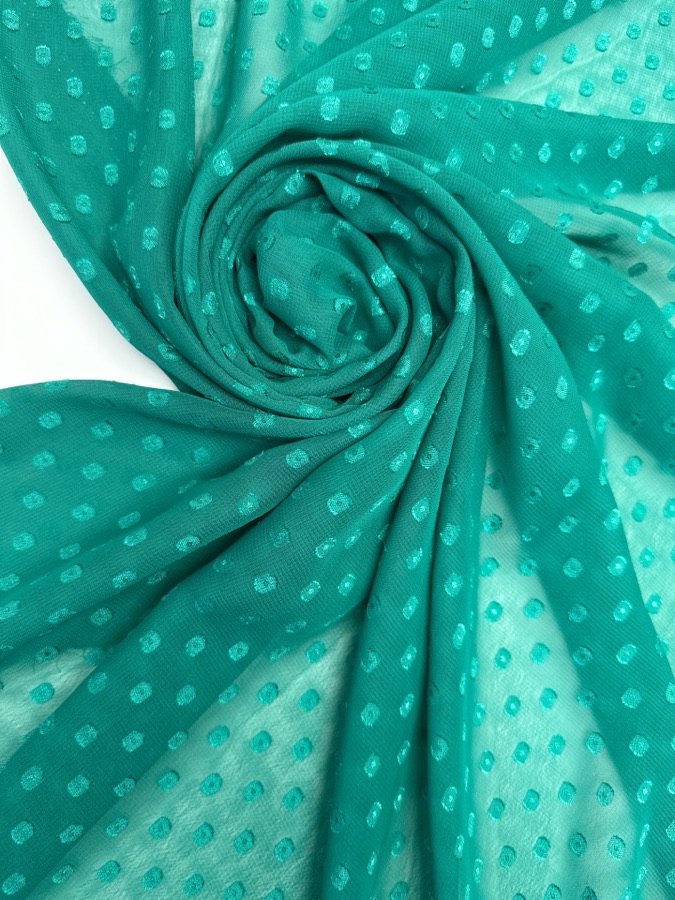
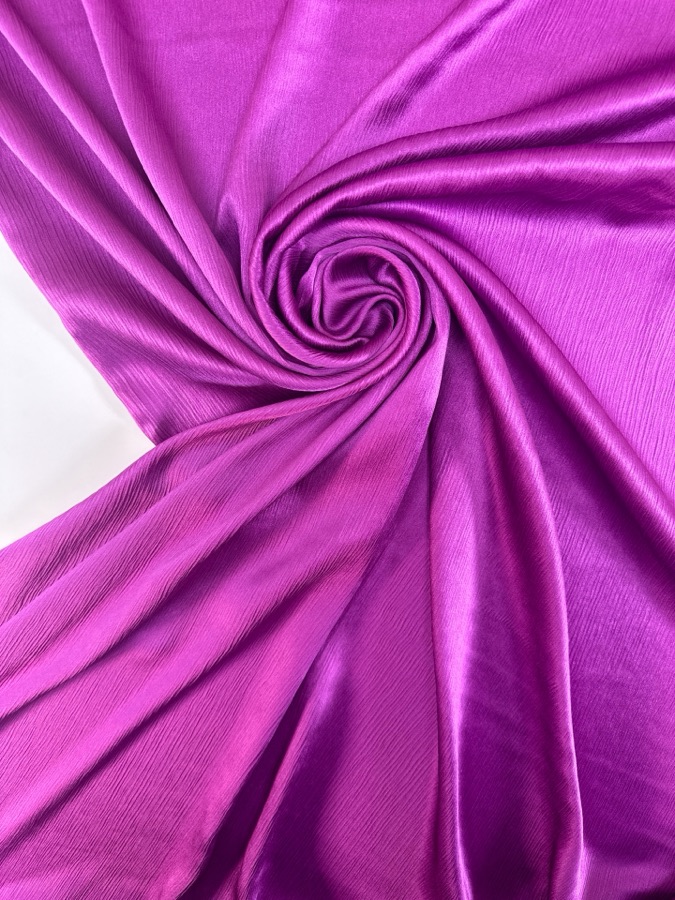
A fabric image and video dataset for AI and machine learning: studio photos and drape videos of European deadstock textiles, each linked to fibre composition, colour, weave, stretch, width, weight and intended use.

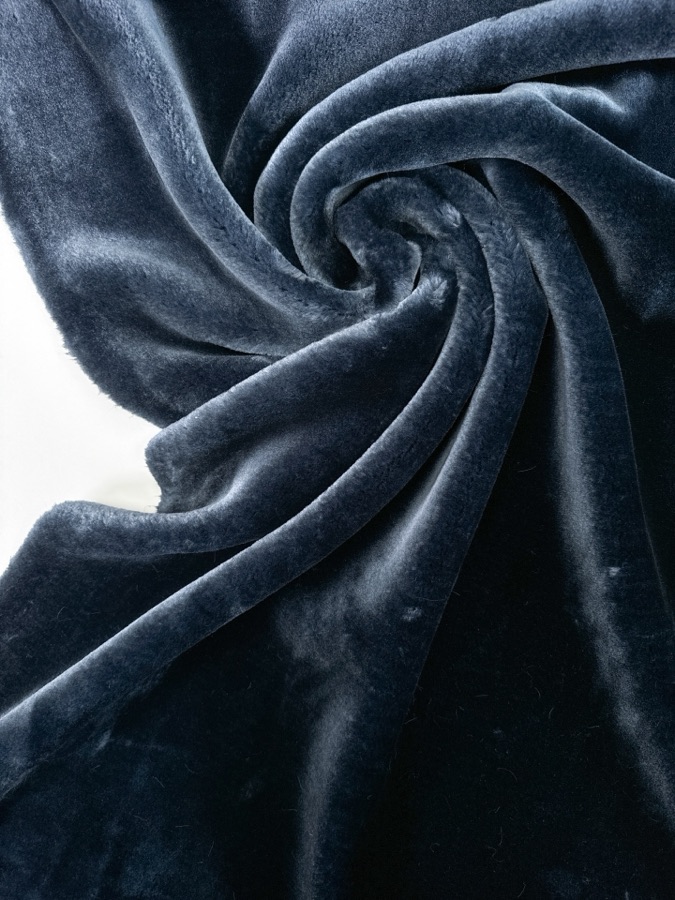
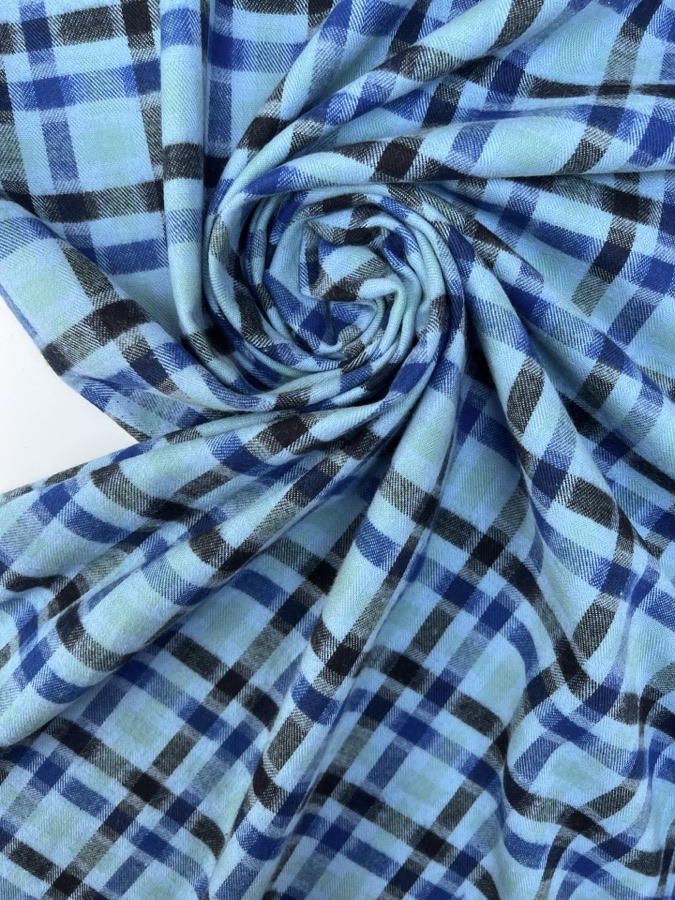
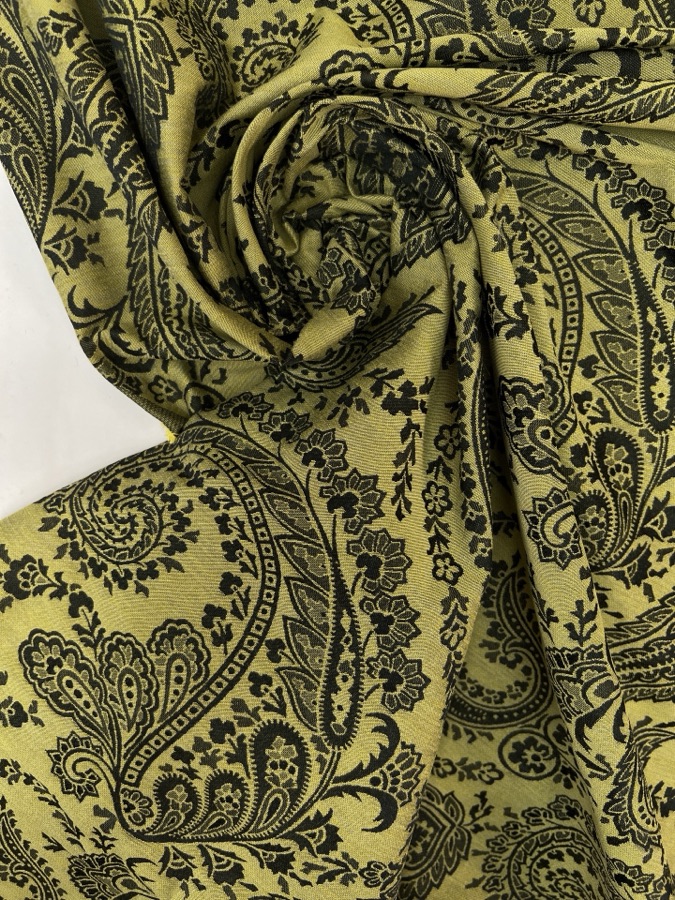
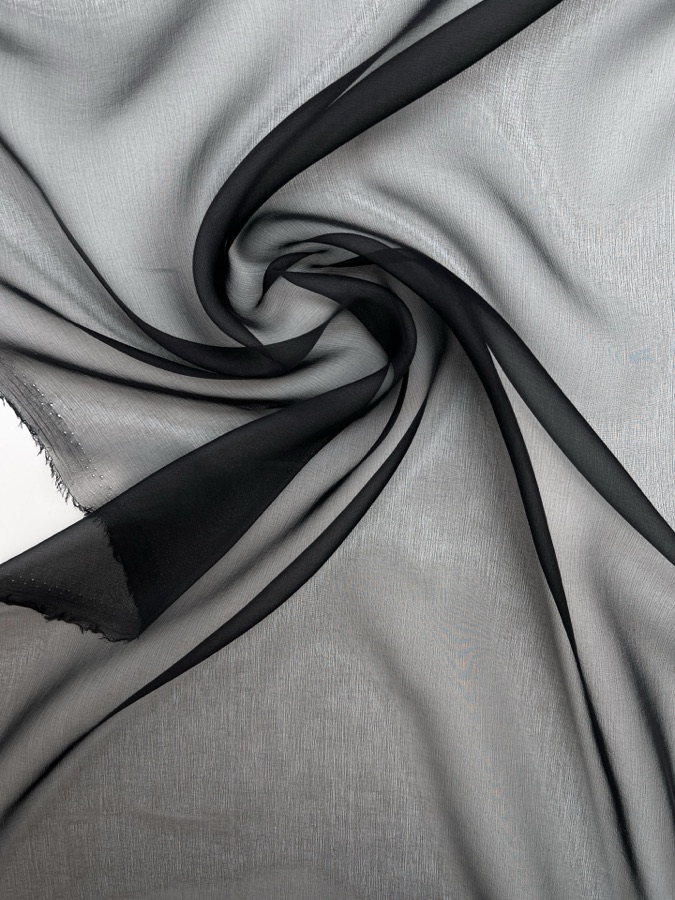
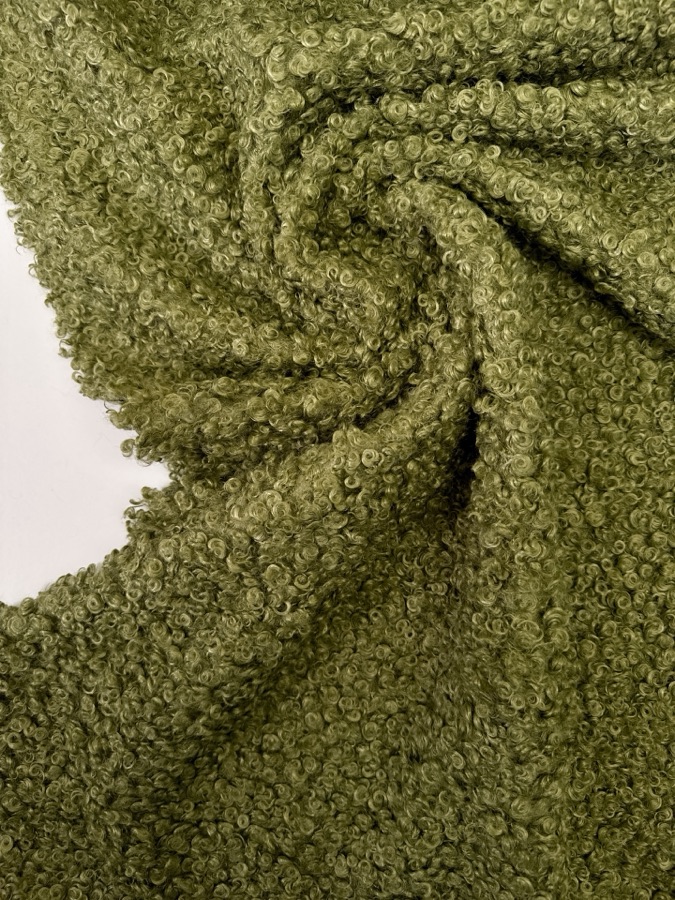
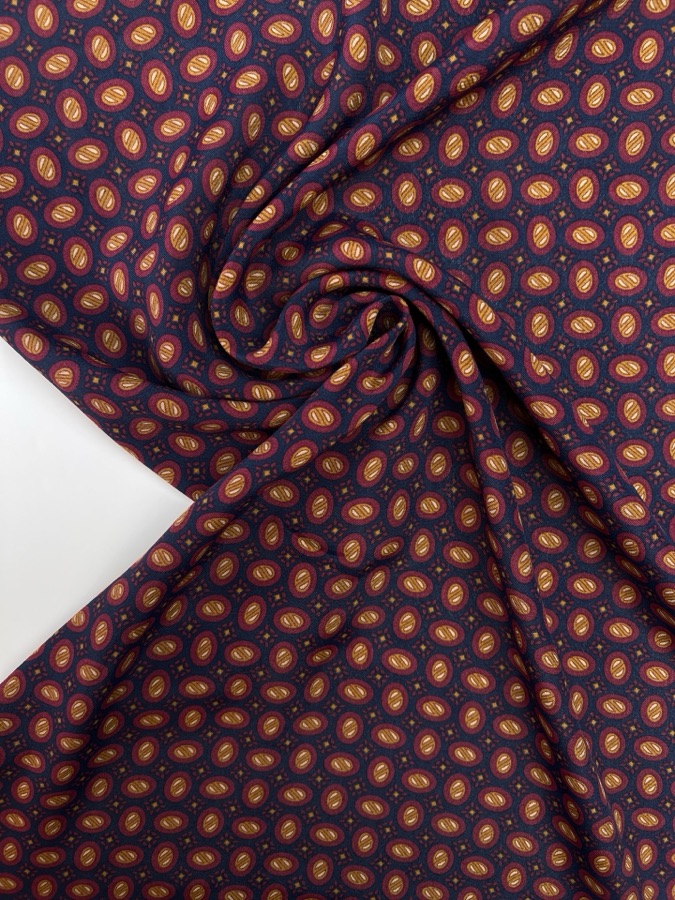
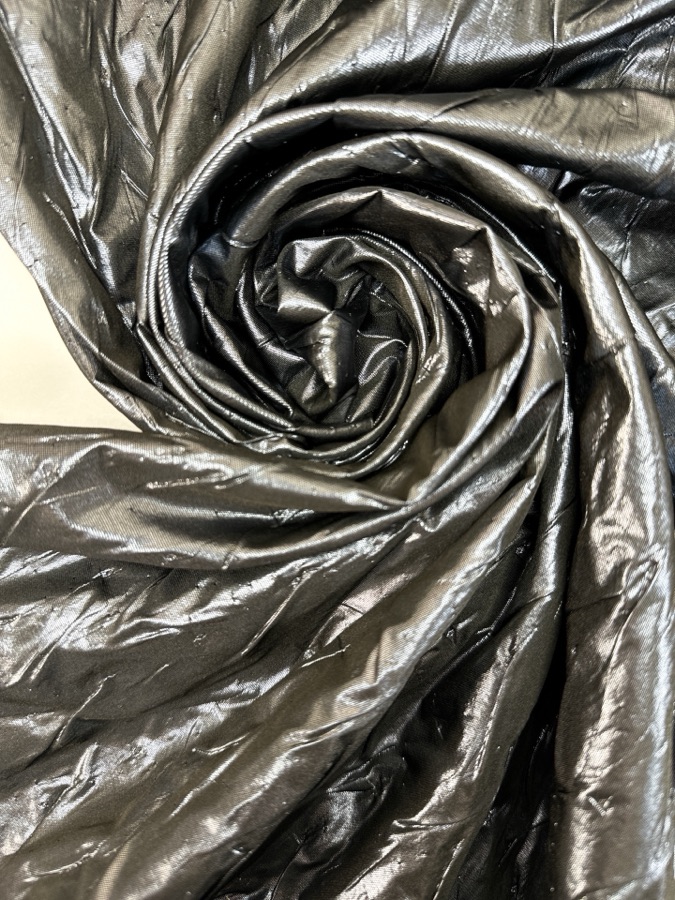
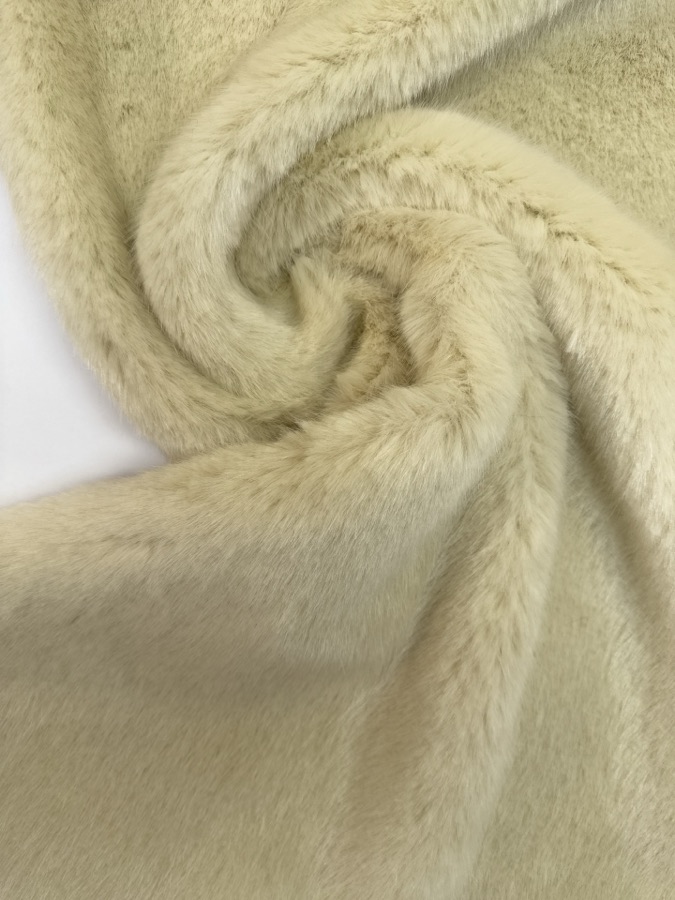
Since 2023 every fabric has been photographed to one in-house protocol: the same swirl fold, the same light background, the same framing. That consistency is rare in real-world data and makes the material itself the only variable.


Most fabrics also come with a short handheld video showing drape, sheen and movement — signal that still images can’t carry, useful for video generation and cloth simulation.
Labels come from our own product catalogue, entered by the team that buys, measures and sells each fabric. Composition is given by fibre with exact percentages; categorical labels use a fixed vocabulary with names in up to 9 languages.
Share of fabrics with each label in the full corpus. Labelling became systematic over time: 17,222 fabrics carry the complete label set, almost all of them from 2025–2026. Width is present for all fabrics, weight (g/m²) for most.
{
"sample_id": "bf-305acb9f1d",
"captured": "2024-10",
"width_cm": 158,
"weight_gsm": 160,
"labels": {
"weaving": ["Jacquard Weave"],
"type": ["Jacquard", "Woven"],
"stretch": ["Non-stretch"],
"feature": ["Paisley"],
"purpose": ["Interior", "Occasionwear", "Accessories"],
"composition": [
{"name": "Cotton", "pct": 47},
{"name": "Polyester", "pct": 53}
],
"color": ["Shades of yellow", "Black"]
},
"description": {
"en": {
"title": "Paisley Yellow-Black Polyester Cotton Jacquard",
"text": "Italian paisley yellow-black jacquard woven from polyester cotton blend for interior and occasionwear, non-stretch and durable."
},
"fr": {
"title": "Jacquard Paisley Jaune Noir Polyester Coton",
"text": "Jacquard paisley jaune noir italien en polyester coton pour intérieur et tissus pour occasions, non extensible et résistant."
}
},
"images": ["bf-305acb9f1d_0.jpg", "bf-305acb9f1d_1.jpg", "bf-305acb9f1d_2.jpg"],
"video": "bf-305acb9f1d_v0.mp4"
}
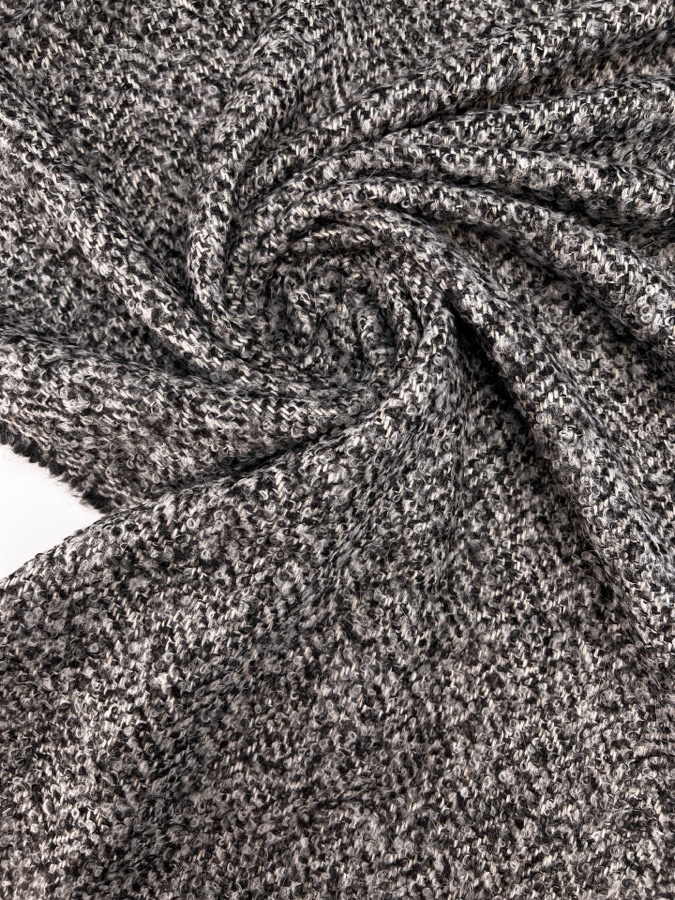
Each record carries its capture date, so you can choose the uniform studio set, the varied early shots, or both.
Fabrics on the work table, varied angles and light. More natural variety, around two photos per fabric.
The swirl fold becomes the norm; scale and framing still vary.
135,312 photos on one protocol, typically 3–4 photos and one video per fabric.
Teach diffusion and video models what bouclé, chiffon or matelassé actually look like, with composition-aware captions instead of guesses.
Realistic texture, sheen and colour for garment rendering, digital sampling and design tools.
Train classifiers that predict fibre, weave or stretch from a photo — for e-commerce tagging, sorting and quality control.
“Find fabrics like this one”: thousands of near-neighbours across colours, prints and textures for retrieval and recommendation.
Drape videos with known weight, width and composition as reference data for physical cloth parameters.
Fibre-composition ground truth for models that support sorting, resale and circular-textile workflows.
All licences are non-exclusive and cover commercial model training. Terms, scope and pricing are agreed individually.
A curated set of about 665 fabrics with photos and full labels, to test fit with your pipeline.
Filter by year, fabric type, composition, colour or print, photos only or with video.
All 48,986 fabrics, 170,427 photos and 46,758 videos, plus new fabrics as they are added.
Not scraped from the web. Every photo and video was captured in-house for our own catalogue, so we can document where each file came from.
Shot by our own team at our own warehouse, 2020–2026, with capture dates on every file.
The subject is fabric. Records use anonymous sample IDs; supplier and pricing data are removed.
Internal intake shots, bundles and haberdashery are separated out; frames showing third-party brand labels are excluded.
HD photos (JPEG) and videos (MP4) plus a JSONL manifest with one line per fabric: anonymous sample ID, capture date, width, weight and all labels. Files are delivered via a cloud bucket or on a physical drive.
Yes. The licence covers training and commercial use of the resulting models. Licences are non-exclusive; scope, term and any redistribution rights are agreed per contract.
Every file was captured in-house for our own catalogue between 2020 and 2026. Nothing is scraped. Capture dates are kept on every record.
The subject is fabric. Records use anonymous sample IDs; supplier, pricing and internal stock data are removed.
Since 2023 every fabric follows one protocol (135,312 photos). Earlier years are more varied, which can be useful for robustness. You can license either period or both.
Composition is present for 99% of fabrics and colour for 96%. Fabric type, weave and features were added to the catalogue later; 17,222 fabrics carry the full label set.
Yes. We provide a curated evaluation set of about 665 fabrics with full labels under a short evaluation agreement.
Yes. New fabrics are photographed every week to the same protocol, and ongoing-update licences are available.
Tell us about your model and the data you need. We usually reply within one business day.